Are Longer Night Pads Eco - friendly?
As a supplier of longer night pads, I've often found myself pondering the question of their environmental friendliness. In an era where sustainability is at the forefront of consumer concerns, it's crucial to examine the ecological impact of the products we offer.
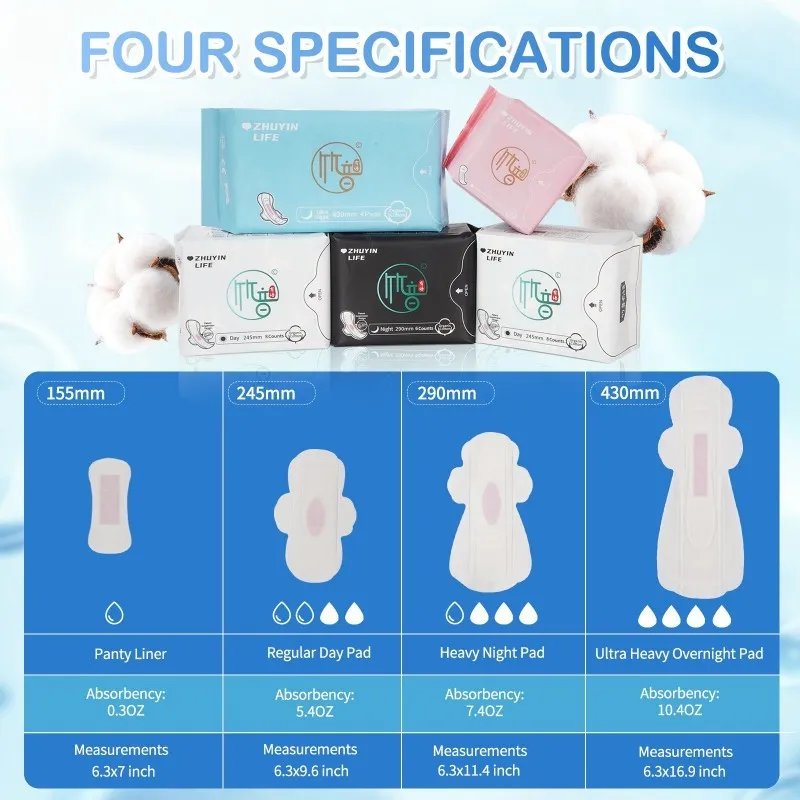
Let's start by understanding what longer night pads are. These pads are designed to provide extended protection during the night, offering a higher absorbency rate compared to regular pads. They are typically larger in size and are engineered to prevent leaks and ensure a comfortable night's sleep for users. But when it comes to their environmental footprint, the picture is a bit more complex.
One of the primary environmental concerns associated with longer night pads is the material they are made of. Most conventional pads are composed of a combination of synthetic materials such as polypropylene, polyethylene, and super - absorbent polymers (SAPs). Polypropylene and polyethylene are derived from fossil fuels, which are non - renewable resources. The extraction and processing of these fossil fuels contribute to greenhouse gas emissions, air pollution, and habitat destruction.
Super - absorbent polymers, while effective at absorbing large amounts of liquid, are also a cause for concern. These polymers are often made from acrylamide, which is a known neurotoxin. Although the amount of acrylamide in pads is regulated, there is still a potential risk of exposure, especially for those with sensitive skin. Additionally, SAPs are not biodegradable, which means they can persist in the environment for hundreds of years after disposal.
Another aspect to consider is the packaging of longer night pads. Many pads come in plastic - based packaging, which adds to the growing problem of plastic waste. Plastic packaging takes a long time to decompose, and a significant portion of it ends up in landfills, oceans, and other natural habitats, harming wildlife and ecosystems.
However, it's not all doom and gloom. There are steps that can be taken to make longer night pads more eco - friendly. Some manufacturers are now using more sustainable materials in their products. For example, bamboo is a popular alternative to synthetic materials. Bamboo is a fast - growing, renewable resource that requires less water and pesticides compared to traditional cotton. It is also biodegradable, which means it will break down naturally in the environment.

Organic cotton is another option. Cotton is a natural fiber, but conventional cotton farming uses large amounts of pesticides and fertilizers, which can have a negative impact on the environment. Organic cotton is grown without the use of these harmful chemicals, making it a more sustainable choice. Products made from organic cotton are also often hypoallergenic, which is beneficial for those with sensitive skin.
In addition to using sustainable materials, efforts can be made to reduce the amount of packaging. Some companies are now using biodegradable or compostable packaging materials, such as paper or cardboard. This helps to minimize the environmental impact of the product from the moment it leaves the factory to the time it reaches the consumer.
As a supplier, I am committed to promoting eco - friendly longer night pads. We offer a range of products that are made from sustainable materials and come in minimal or biodegradable packaging. Our Bladder Weakness Pads are designed with both functionality and environmental responsibility in mind. They are made from a blend of organic cotton and bamboo, providing excellent absorbency while being gentle on the skin and the planet.
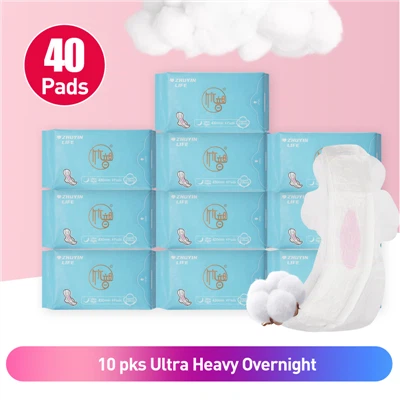
Our 10 Packs Night Pads are also a great option for those looking for a more sustainable choice. The packaging is made from recycled paper, and the pads themselves are biodegradable. This means that after use, they can be disposed of in an environmentally friendly way.
For those who need a larger supply, our 60 Counts Sanitary Pads are a convenient and eco - conscious solution. They are made from high - quality organic cotton and are individually wrapped in biodegradable paper.
In conclusion, while traditional longer night pads may have a significant environmental impact, there are ways to make them more eco - friendly. By using sustainable materials, reducing packaging, and promoting responsible disposal, we can minimize the negative effects on the environment. As a supplier, I encourage consumers to choose products that are not only effective but also kind to the planet.
If you are interested in learning more about our eco - friendly longer night pads or would like to discuss a potential purchase, please feel free to reach out. We are always happy to engage in discussions about our products and how they can meet your needs while also contributing to a more sustainable future.
References
- "The Environmental Impact of Feminine Hygiene Products" by Environmental Working Group.
- "Sustainable Materials for Feminine Hygiene Products" in Journal of Sustainable Textiles and Apparel.
- "Reducing Plastic Waste in Feminine Hygiene Product Packaging" by Packaging Digest.