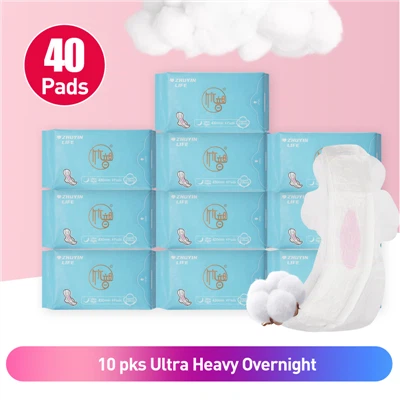
Hey there! As a supplier of Organic Cotton Sanitary Pads, I've been getting a ton of questions lately about whether these pads are actually better for the environment. So, I thought I'd dive deep into this topic and share some insights with you all.
Let's start by talking a bit about traditional sanitary pads. Most of the regular pads you find on the market are made from a mix of synthetic materials like plastic and rayon. These materials are derived from non - renewable resources, mainly petroleum. Petroleum extraction and processing are energy - intensive processes that contribute to a significant amount of greenhouse gas emissions. For instance, the production of plastic requires large amounts of fossil fuels to be burned, releasing carbon dioxide and other pollutants into the atmosphere.
Moreover, traditional pads often contain chemicals such as fragrances, dyes, and pesticides. These chemicals can seep into the soil and water when the pads are disposed of, posing a threat to the environment. The fragrances and dyes used in some pads are not always biodegradable, and they can contaminate water sources, harming aquatic life. And the pesticides that may be present in the non - organic cotton used in some pads can also have a negative impact on the soil and the surrounding ecosystem.
Now, let's turn our attention to organic cotton sanitary pads. Organic cotton is grown without the use of synthetic pesticides and fertilizers. This means that the farming process has a much lower environmental impact. When farmers grow organic cotton, they rely on natural methods like crop rotation, composting, and biological pest control. These methods help to maintain the health of the soil, reduce water pollution, and protect biodiversity.

Organic cotton also requires less water compared to conventional cotton. Conventional cotton is known as a "thirsty" crop because it needs a large amount of water for irrigation. In some regions, this excessive water use has led to water shortages and the depletion of groundwater sources. On the other hand, organic cotton farming practices are more water - efficient, which helps to conserve this precious resource.
Another great thing about organic cotton sanitary pads is that they are more biodegradable. Once you've used them and disposed of them properly, they will break down much faster than traditional pads. This reduces the amount of waste that ends up in landfills. Landfills are a major source of methane emissions, a potent greenhouse gas that is even more harmful than carbon dioxide in terms of global warming potential. By using organic cotton sanitary pads, we can help to reduce the volume of non - biodegradable waste in landfills and, in turn, lower methane emissions.
In addition to being better for the environment, organic cotton sanitary pads are also great for your body. They are free from many of the harmful chemicals found in traditional pads, which makes them a great choice for women with sensitive skin. If you're looking for Pads for Sensitive Skin, organic cotton pads are definitely worth considering. They are also unscented, which is a plus for those who prefer a more natural option. Check out our Unscented Menstrual Pads for a chemical - free and gentle experience.
But it's not all sunshine and rainbows. There are some challenges associated with organic cotton sanitary pads. One of the main issues is the cost. Organic cotton is more expensive to produce than conventional cotton because of the labor - intensive farming methods and the lack of subsidies. This means that organic cotton sanitary pads are often pricier than traditional pads. However, as more and more people become aware of the environmental and health benefits of organic products, the demand for organic cotton sanitary pads is increasing. With increased demand, we can expect the prices to become more competitive in the future.
Another challenge is the availability. Organic cotton sanitary pads may not be as widely available as traditional pads in some areas. But don't worry! You can easily find our Organic Cotton Sanitary Pads online. We offer a wide range of products to meet your needs, whether you're looking for regular day pads or something more heavy - duty.
So, are organic cotton sanitary pads better for the environment? The answer is a resounding yes! They have a lower environmental impact in terms of resource use, chemical pollution, and waste generation. While there are some challenges, the benefits far outweigh the drawbacks.
If you're a retailer or a distributor interested in stocking our organic cotton sanitary pads, or if you're an individual looking to make a bulk purchase, I'd love to hear from you. We're always open to new partnerships and opportunities to spread the word about the benefits of organic cotton sanitary pads. Reach out to us, and let's start a conversation about how we can work together to make a positive impact on the environment and women's health.
References
- "The Environmental Impact of Feminine Hygiene Products" by Environmental Working Group
- "Organic Cotton: A Sustainable Alternative" by Textile Exchange
- "Reducing Waste from Menstrual Products" by World Health Organization