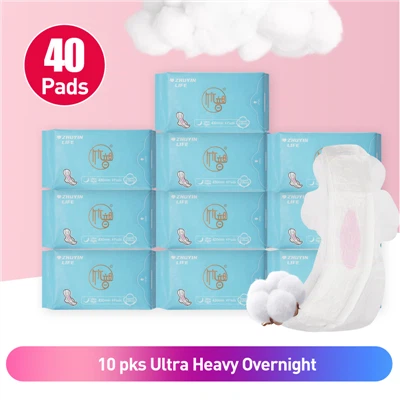
In recent years, the demand for organic cotton sanitary pads has been on the rise globally, driven by increasing awareness of health, environmental concerns, and a growing preference for natural and sustainable products. As a supplier of organic cotton sanitary pads, I have witnessed firsthand the changing dynamics of this market. One question that often arises is whether organic cotton sanitary pads are more popular in certain regions. In this blog post, I will explore this topic and share my insights based on market trends and customer feedback.
Factors Influencing the Popularity of Organic Cotton Sanitary Pads
Before delving into regional popularity, it's important to understand the factors that contribute to the appeal of organic cotton sanitary pads. These factors play a significant role in shaping consumer preferences and determining the market demand in different areas.
- Health Consciousness: Many consumers are becoming more aware of the potential health risks associated with traditional sanitary pads, which often contain synthetic materials, chemicals, and fragrances. Organic cotton sanitary pads, on the other hand, are made from natural, pesticide - free cotton, which is hypoallergenic and less likely to cause irritation or allergic reactions. This health - focused aspect is a major selling point, particularly for women with sensitive skin.
- Environmental Awareness: With the growing concern for the environment, more people are looking for sustainable alternatives in all aspects of their lives, including menstrual products. Organic cotton is grown without the use of harmful pesticides and synthetic fertilizers, reducing the environmental impact. Additionally, many organic cotton sanitary pads are biodegradable, which appeals to eco - conscious consumers.
- Ethical Considerations: The production of organic cotton often adheres to fair trade practices, ensuring that farmers are paid a fair wage and work in safe conditions. This ethical dimension is important for consumers who want to support responsible and sustainable supply chains.
Regional Variances in Popularity
North America
In North America, specifically in the United States and Canada, there has been a significant increase in the popularity of organic cotton sanitary pads. The high level of health and environmental awareness in these countries is a major driving force. Consumers in North America are willing to pay a premium for products that align with their values. Many health food stores and natural product retailers carry a wide range of organic cotton sanitary pads, making them easily accessible. In addition, the influence of social media and wellness trends has also contributed to the growth of this market. For example, influencers promoting natural and sustainable living often recommend organic cotton sanitary pads to their followers. If you are interested in our Unscented Menstrual Pads, which are a popular choice in North America due to their gentle and natural nature, you can explore the link.
Europe
Europe is another region where organic cotton sanitary pads have gained significant traction. Countries like Germany, the United Kingdom, and Sweden are at the forefront of this trend. In Germany, for instance, consumers are highly environmentally conscious and have a strong preference for organic products. The European Union's strict regulations on product safety and environmental standards also encourage the use of organic and sustainable menstrual products. Moreover, the well - established organic food and natural product markets in Europe provide a ready - made distribution network for organic cotton sanitary pads. Our 10 Packs Sanitary Pads are a convenient option for European consumers who like to buy in bulk.
Asia
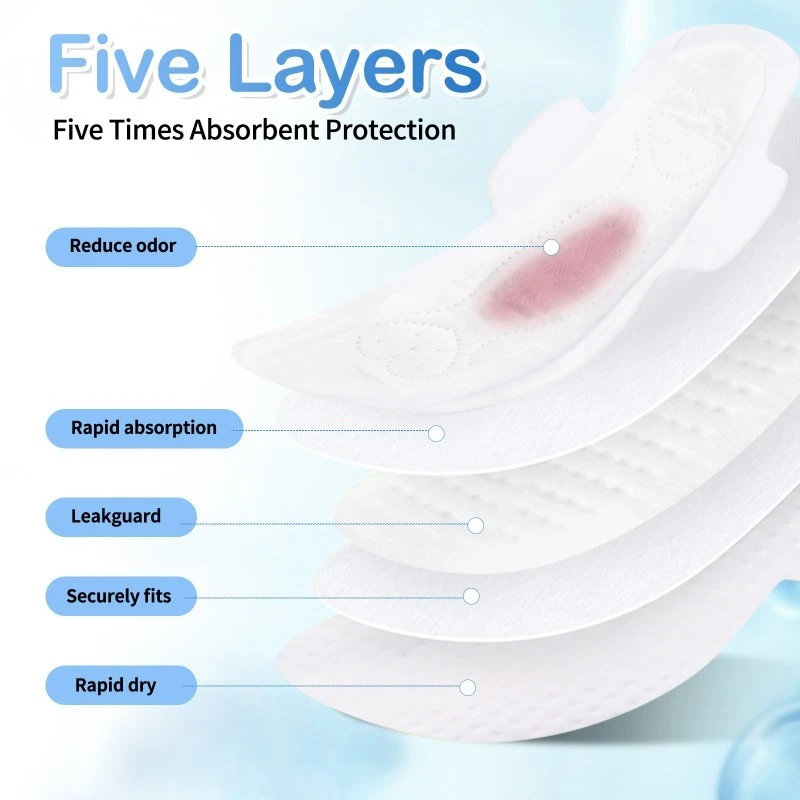
In Asia, the popularity of organic cotton sanitary pads varies widely from country to country. In Japan and South Korea, there is a growing interest in natural and high - quality products, and organic cotton sanitary pads are starting to gain a foothold. These countries have a strong consumer culture that values innovation and quality. However, in many developing countries in Asia, the market for organic cotton sanitary pads is still in its infancy. The higher cost of organic products compared to traditional sanitary pads is a major barrier for many consumers. Additionally, the lack of awareness about the benefits of organic cotton sanitary pads and limited distribution channels also hinder market growth. Nevertheless, as the middle - class population grows and awareness increases, there is potential for significant market expansion. Our Super Absorbency Pads could be a great fit for Asian consumers who need reliable protection during their periods.
Africa
In Africa, the market for organic cotton sanitary pads is relatively small but shows promise. Some urban areas in South Africa, Kenya, and Nigeria are seeing an increase in demand. In South Africa, for example, there is a growing movement towards sustainable living, and a small but growing segment of consumers is interested in organic products. However, similar to Asia, the high cost and limited availability are challenges. In many rural areas, access to basic menstrual products is still a major issue, and organic cotton sanitary pads are often out of reach for the majority of the population.
Challenges and Opportunities in Different Regions
Challenges
- Cost: Organic cotton sanitary pads are generally more expensive than traditional ones due to the higher cost of organic cotton production and the smaller scale of manufacturing. This price difference can be a significant deterrent, especially in regions with lower average incomes.
- Distribution: In some regions, especially in rural areas, the distribution of organic cotton sanitary pads is limited. There may not be enough retailers stocking these products, making them difficult for consumers to access.
- Lack of Awareness: In many parts of the world, there is still a lack of awareness about the benefits of organic cotton sanitary pads. This lack of knowledge can prevent consumers from making the switch from traditional products.
Opportunities
- Education Campaigns: By investing in education campaigns, we can increase awareness about the health, environmental, and ethical benefits of organic cotton sanitary pads. This can be done through social media, partnerships with health organizations, and in - store promotions.
- Cost - Reduction Strategies: As the demand for organic cotton sanitary pads grows, economies of scale can be achieved, leading to cost reductions. Additionally, exploring more efficient production methods and sourcing strategies can help lower the price.
- Expanding Distribution Channels: Partnering with local retailers, pharmacies, and online platforms can improve the availability of organic cotton sanitary pads in different regions, especially in areas where access is currently limited.
Conclusion
In conclusion, while the popularity of organic cotton sanitary pads is on the rise globally, there are significant regional differences. North America and Europe currently lead in terms of market penetration, driven by high levels of health and environmental awareness. Asia and Africa show potential for growth, but face challenges such as cost and limited awareness. As a supplier of organic cotton sanitary pads, understanding these regional variances is crucial for developing effective marketing and distribution strategies.
If you are a retailer, distributor, or interested in purchasing our organic cotton sanitary pads, we would love to have a discussion with you. We can offer high - quality products at competitive prices and work together to expand the market for organic cotton sanitary pads in your region. Contact us to start the procurement negotiation process and take advantage of the growing demand for these sustainable and health - friendly products.

References
- Chen, X., & Burns, L. (2019). Consumer Perceptions of Sustainable Menstrual Products: A Review. Journal of Sustainable Consumption.
- European Commission. (2020). EU Regulations on Organic Farming and Product Safety.
- World Health Organization. (2018). Guidelines on Menstrual Hygiene Management.