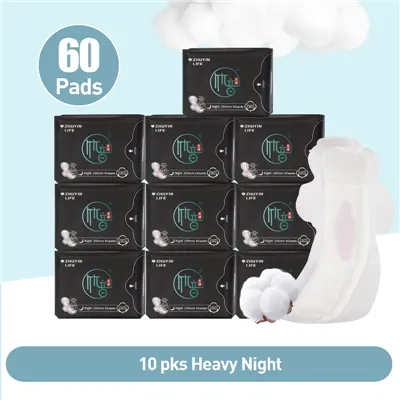
As a supplier of Women Incontinence Pads, I understand the importance of proper storage to maintain the quality and effectiveness of these essential products. In this blog, I'll share some key insights on how to store women incontinence pads to ensure they remain in optimal condition for your customers.
Understanding the Importance of Proper Storage
Women incontinence pads are designed to provide comfort, protection, and hygiene for women experiencing urinary incontinence. To maintain their functionality, it's crucial to store them correctly. Improper storage can lead to issues such as moisture damage, contamination, and a reduction in absorbency, which can ultimately affect the user's experience.
Ideal Storage Conditions
Temperature
The ideal temperature for storing women incontinence pads is between 10°C and 30°C (50°F and 86°F). Extreme temperatures can cause the materials in the pads to degrade. High temperatures can make the adhesive less effective, while low temperatures can make the pads brittle. Avoid storing the pads in areas that are exposed to direct sunlight or near heat sources like radiators, as this can lead to overheating and damage.
Humidity
Humidity is another important factor. The relative humidity should be kept between 40% and 60%. High humidity can cause the pads to absorb moisture from the air, which may lead to the growth of mold and mildew. On the other hand, low humidity can cause the pads to dry out, making them less flexible and potentially reducing their absorbency. It's best to store the pads in a dry environment, such as a closet or a storage cabinet.
Ventilation
Good ventilation is essential to prevent the build - up of stale air and odors. Ensure that the storage area has proper air circulation. Avoid storing the pads in sealed plastic bags for long periods, as this can trap moisture and create a breeding ground for bacteria. Instead, use open - shelved storage units or cabinets with vents.
Packaging Considerations
Original Packaging
The original packaging of the women incontinence pads is designed to protect them during storage and transportation. It is usually made of materials that provide a certain level of protection against moisture and light. Keep the pads in their original packaging until they are ready to be used. If the original packaging is damaged, transfer the pads to a clean, dry, and sealed container.
Sealed Containers
If you need to transfer the pads to a different container, choose a sealed container made of plastic or glass. Make sure the container is clean and dry before adding the pads. Label the container clearly with the product name, size, and expiration date. This will help you keep track of the inventory and ensure that you use the oldest products first.
Storage Location
Home Storage
For individual consumers, the best place to store women incontinence pads at home is in a cool, dry closet or a bathroom cabinet away from the shower or bathtub. Avoid storing them under the sink, as this area is often prone to moisture. If possible, keep the pads in a separate storage area from cleaning products and chemicals to prevent contamination.
Retail and Warehouse Storage
As a supplier, proper storage in retail stores and warehouses is crucial. Retailers should display the pads in a well - ventilated area with controlled temperature and humidity. Warehouses should have a dedicated storage area for incontinence pads, away from areas with high traffic and potential sources of damage. Use pallet racks to store large quantities of pads, and ensure that the pallets are stacked securely to prevent them from falling.
Product Rotation
To ensure that the products are used before their expiration date, implement a first - in, first - out (FIFO) system. This means that the oldest products are placed at the front of the storage area and are sold or used first. Regularly check the expiration dates of the women incontinence pads and remove any expired products from the inventory.
Quality Control
Regularly inspect the stored women incontinence pads for any signs of damage, such as tears, holes, or discoloration. If you notice any issues, remove the affected pads from the inventory immediately. Conduct quality control checks on a regular basis to ensure that the pads meet the required standards.


Conclusion
Proper storage of women incontinence pads is essential to maintain their quality, effectiveness, and hygiene. By following the guidelines outlined above, you can ensure that the pads remain in optimal condition for your customers. Whether you are a consumer or a supplier, taking the time to store these products correctly will result in a better user experience and increased customer satisfaction.
If you are interested in purchasing high - quality Women Incontinence Pads, Unscented Heavy Flow Pads, or 290mm Overnight Pads, please feel free to contact us for more information and to discuss your procurement needs. We are committed to providing the best products and services to meet your requirements.
References
- American Hygiene Association. Guidelines for the Storage of Feminine Hygiene Products.
- International Journal of Hygiene and Environmental Health. Research on the Impact of Storage Conditions on Feminine Hygiene Products.