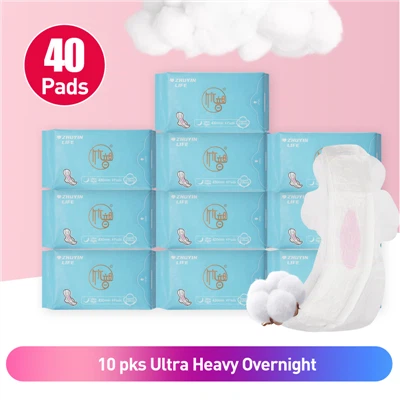
Hey there! As a panty liners supplier, I get asked a ton of questions about how often one should change these little hygiene heroes. It's a super important topic, and I'm here to break it down for you in a way that's easy to understand.
First off, let's talk about what panty liners are for. They're basically a thin absorbent pad that you stick inside your underwear. They're great for light days of your period, to catch any discharge, or just to keep you feeling fresh and clean throughout the day. But how often you change them can really make a difference in your comfort and overall hygiene.
Factors That Affect How Often You Should Change Panty Liners
1. Flow and Discharge
The amount of discharge or menstrual flow you have is a huge factor. If you have a heavy flow, even on light days, you'll need to change your panty liner more often. For example, if you notice that the liner is starting to feel wet or full within a couple of hours, it's time for a change. On the other hand, if your flow is really light, you might be able to get away with wearing a liner for 4 - 6 hours.
2. Activity Level
Your daily activities can also play a role. If you're really active, like if you're working out, running errands, or just on your feet all day, you'll likely sweat more. This sweat can mix with the discharge on the liner, creating a breeding ground for bacteria. So, if you're super active, it's a good idea to change your liner every 3 - 4 hours.
3. Hygiene Preferences
Some people are just more sensitive to hygiene and like to change their liners more frequently. That's totally okay! If you feel more comfortable changing your liner every couple of hours, then go for it. It's all about what makes you feel clean and fresh.
General Guidelines for Changing Panty Liners
Light Discharge
If you're just dealing with light vaginal discharge, changing your panty liner once or twice a day should be sufficient. You can put on a new liner in the morning and then change it before you go to bed. This helps to keep any odor at bay and prevents the build - up of bacteria.
Light Menstrual Flow
During the light days of your period, you should aim to change your liner every 3 - 4 hours. This is because menstrual blood can start to smell after a while, and it's important to keep the area clean to avoid any infections.
Heavy Activity
As I mentioned before, if you're very active, change your liner every 3 hours. This will help to prevent any discomfort and keep you feeling dry.
The Importance of Changing Panty Liners Regularly
Preventing Infections
Wearing a panty liner for too long can lead to an overgrowth of bacteria. This can cause infections like bacterial vaginosis or yeast infections. By changing your liner regularly, you're reducing the risk of these uncomfortable and sometimes painful infections.
Odor Control
Let's face it, nobody wants to deal with unpleasant odors. Changing your panty liner often helps to keep any odor in check. Fresh liners mean a fresher you!

Comfort
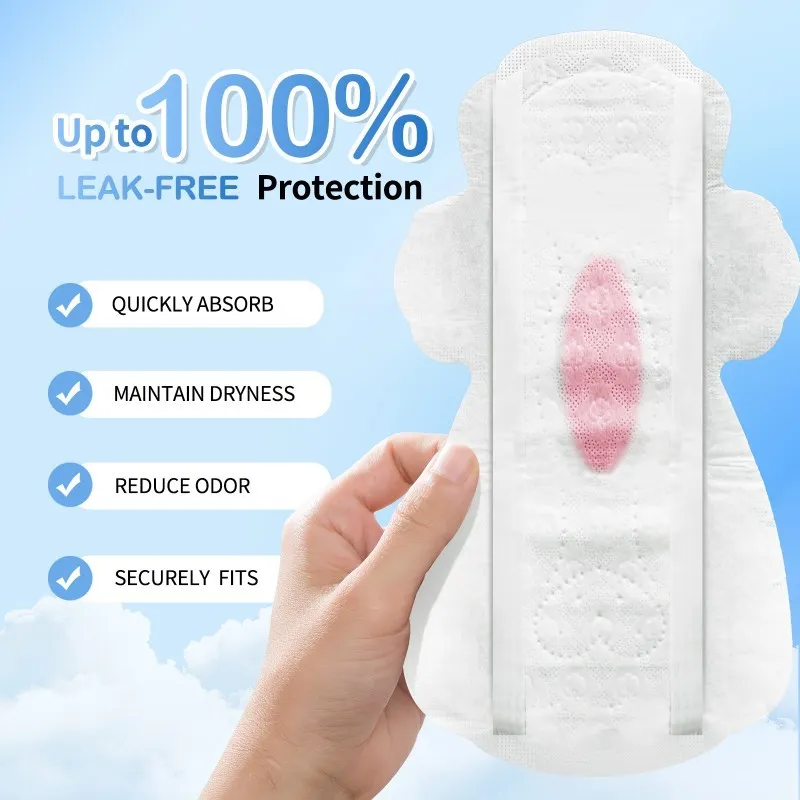
A wet or full liner can be really uncomfortable. It can cause chafing and irritation. By changing your liner regularly, you'll stay comfortable throughout the day.
Our Panty Liners Offerings
We offer a great range of panty liners to suit your needs. Check out our Organic Cotton Liners. These are made from organic cotton, which is super soft and gentle on your skin. They're perfect for those with sensitive skin.
If you're looking for a bulk option, our 200 Counts Panty Liners are a great choice. You'll have plenty of liners on hand, so you never have to worry about running out.
Conclusion
So, there you have it! How often you should change your panty liners depends on a few factors like flow, activity level, and your own hygiene preferences. But in general, it's a good idea to change them regularly to keep yourself clean, comfortable, and healthy.
If you're a retailer or distributor interested in stocking our high - quality panty liners, we'd love to hear from you. Reach out to us to start a conversation about procurement and see how we can work together to meet your customers' needs.
References
- American College of Obstetricians and Gynecologists. "Vaginal Hygiene."
- Mayo Clinic. "Vaginal Infections: Overview."