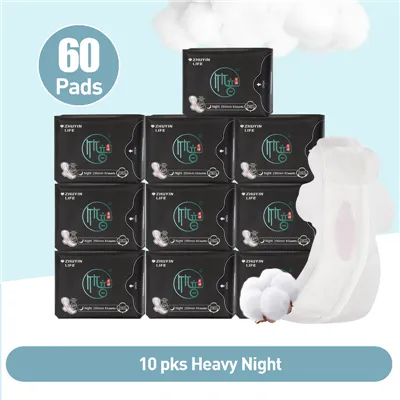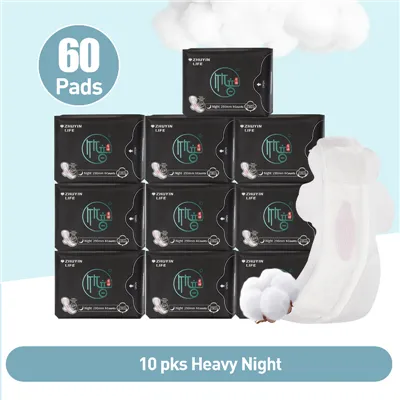
Can organic cotton liners be used with a menstrual cup? That's a question I get asked a lot, and as a supplier of Organic Cotton Liners, I'm more than happy to dive into this topic.
Let's start with the basics. Menstrual cups have become a popular choice among many women in recent years. They're reusable, eco - friendly, and can hold a significant amount of menstrual flow. They're inserted into the vaginal canal to collect the blood, and generally, they're designed to be leak - proof. But, just like any product, they're not perfect in every single situation.
There are times when you might experience a bit of leakage with a menstrual cup. For example, if you haven't inserted the cup correctly, the seal might not be tight enough, and some blood could seep out. Also, if you have a really heavy flow, especially during the first couple of days of your period, the cup might fill up quickly, and there could be a chance of overflow. This is where organic cotton liners come in handy.
Organic cotton liners are made from natural, chemical - free cotton. They're soft against the skin, which is super important for those sensitive areas. And since they're organic, you don't have to worry about any harsh chemicals or dyes irritating your skin during your period.
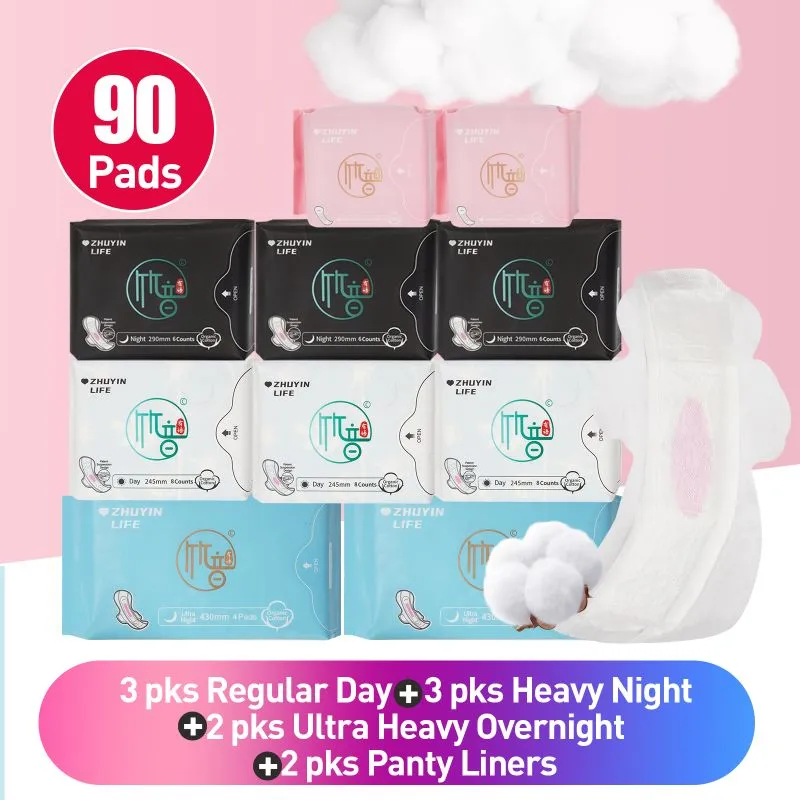

When used with a menstrual cup, they act as a safety net. If there's any leakage from the cup, the liner will catch the blood before it reaches your underwear. This gives you an extra layer of protection and confidence, especially when you're out and about. You won't have to constantly worry about embarrassing leaks.
Another benefit of using organic cotton liners with a menstrual cup is for those times when you're removing and re - inserting the cup. During this process, there's always a small chance of some blood getting on your underwear. Having a liner in place makes cleaning up a breeze. You can simply remove the soiled liner and replace it with a fresh one.
Now, let's talk about the practicality of using these two products together. Organic cotton liners are thin and discreet. They won't add a lot of bulk to your underwear, so you won't feel like you're wearing a diaper or anything. And they're easy to carry around. Whether you're going to work, school, or on a trip, you can just toss a few liners in your purse.
If you're someone who's new to using a menstrual cup, using organic cotton liners can give you some peace of mind as you're getting used to the cup. It can take a little practice to insert the cup correctly and get the hang of it. During this learning period, having a liner down there can make you feel more secure.
I've also heard some concerns from customers about the environmental impact of using both a menstrual cup and liners. While it's true that menstrual cups are a great eco - friendly option since they're reusable, our Organic Cotton Liners are also relatively sustainable. They're made from organic materials, which means they're grown without the use of harmful pesticides and fertilizers. And some of our liners are even biodegradable, so they won't sit in landfills for years.
If you're interested in trying out our organic cotton liners to use with your menstrual cup, we've got a great option for you. Our 200 Counts Panty Liners are a cost - effective way to stock up. You'll have plenty on hand for your whole period and for those times when you're using your menstrual cup.
So, can organic cotton liners be used with a menstrual cup? Absolutely! They're a great combination that offers you extra protection, comfort, and peace of mind during your period.
If you're a retailer looking to stock our high - quality organic cotton liners, or if you're a distributor interested in a partnership, we'd love to hear from you. Reach out to us for more information on pricing, bulk orders, and distribution options. We're always happy to have a chat about how we can work together to bring these amazing products to more people.
References
- "The Menstrual Cup Guide: A Comprehensive Resource for Women", Author Unknown
- "Organic Cotton: Benefits and Sustainability", Journal of Sustainable Textiles