Hey there! I'm a supplier of Bladder Weakness Pads, and I often get asked about how these pads should be disposed of properly. It's a crucial topic, not just for the sake of hygiene but also for environmental reasons. So, let's dive right into it.
First off, let's talk a bit about what Bladder Weakness Pads are. These pads are designed to provide comfort and protection for those who experience bladder weakness or incontinence. They come in various shapes, sizes, and absorbency levels, just like our Bladder Weakness Pads. They're super handy and can really improve the quality of life for many people.
Now, onto the main question: how to dispose of them? The most common and straightforward way is to wrap the used pad in toilet paper or the wrapper it came in. This helps contain any odors and prevents any leakage. You should never flush these pads down the toilet. Unlike toilet paper, they don't break down easily and can cause serious blockages in your plumbing system. It's a major headache for both homeowners and plumbers!
Once you've wrapped the pad, you can simply throw it in the trash bin. Make sure it's a covered bin to keep the smell in and prevent any animals from getting into it. If you're at home, this is usually the end of the process. But if you're out and about, it's a good idea to carry a small plastic bag with you. You can put the used pad in the bag and then dispose of it properly when you find a trash can.
Another option, especially for a more eco - friendly approach, is to consider reusable Bladder Weakness Pads. These are made from washable materials like cotton or bamboo. After use, you just need to soak them in a bucket with some mild detergent for a while. Then, wash them either by hand or in a washing machine on a gentle cycle. This not only reduces waste but can also save you money in the long run.

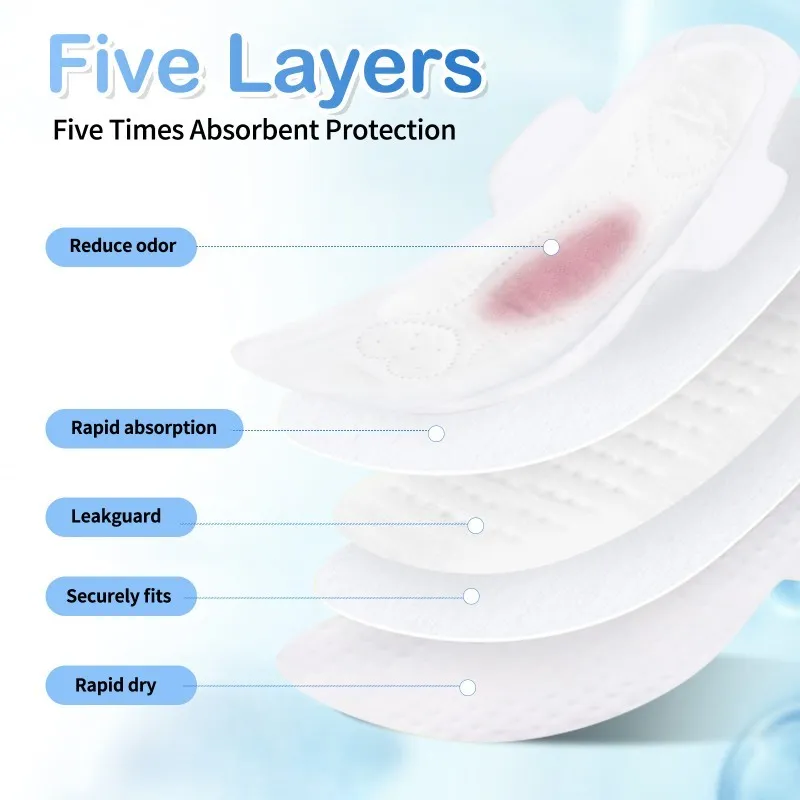
However, if you're using disposable pads, there are some additional things to keep in mind. Some pads come with adhesive strips that help them stay in place. When disposing of the pad, make sure to fold it in a way that the adhesive side is stuck to itself. This makes it easier to handle and also keeps it from sticking to other things in the trash.
Now, let's talk about the environmental impact of disposing of Bladder Weakness Pads. Disposable pads are made from a combination of materials, including plastics and absorbent polymers. These materials can take hundreds of years to break down in landfills. As a supplier, we're always looking for ways to reduce this impact. That's why we're constantly researching and developing more sustainable options.
For example, we're exploring the use of biodegradable materials in our pads. These materials break down much faster in the environment, reducing the long - term impact on landfills. We're also working on reducing the amount of packaging that comes with our products. Less packaging means less waste overall.
If you're a caregiver or someone who takes care of a person with bladder weakness, you might have to deal with a larger volume of used pads. In this case, it's a good idea to have a dedicated trash bag for the pads. This makes it easier to keep track of when it needs to be emptied and also helps with odor control.
Let's also touch on the difference between Bladder Weakness Pads and other types of pads we offer, like Winged Night Pads and Uper Absorbency Night Pads. While the disposal process is generally the same, the absorbency and design of these pads are different. Winged Night Pads have wings that help keep them in place during the night, and Uper Absorbency Night Pads are designed to handle a larger volume of fluid.
In conclusion, proper disposal of Bladder Weakness Pads is essential for maintaining good hygiene and protecting the environment. Whether you choose disposable or reusable pads, following the right disposal methods is key. As a supplier, we're committed to providing high - quality products and also educating our customers on the best ways to use and dispose of them.
If you're interested in purchasing our Bladder Weakness Pads or have any questions about our products, we'd love to hear from you. We're always open to having a chat about your needs and how we can help. Whether you're a retailer looking to stock our products or an individual in need of a reliable solution for bladder weakness, we're here to assist. So, don't hesitate to reach out and start a conversation about your potential purchase.
References
- "Hygiene and Disposal of Incontinence Products" - Journal of Personal Hygiene and Health
- "Environmental Impact of Disposable Feminine Hygiene Products" - Environmental Science Review